
Table of Contents
Introduction of Technical University of Melaka (UTeM)
Technical University of Melaka (UTeM) is a leading Malaysian public technical university specialising in engineering, technology, computing and applied sciences. Located in Melaka, UTeM is recognised for its applied learning model, industry-aligned curricula and strong emphasis on research and innovation. The university attracts international students who want hands-on training, modern laboratory exposure and clear career pathways.
What makes UTeM Melaka unique for international students is its practical training focus, residential campus life, and partnerships with industry that enhance employability. The institution provides structured programmes from foundation to doctoral levels and supports a multicultural learning environment.
Quick facts
Type: Public Technical University
Location: Melaka, Malaysia
Campus style: Fully residential, integrated academic and living environment
Academic focus: Engineering, Technology, Manufacturing, Computing, Applied Sciences
History & Background
UTeM was established to strengthen Malaysia’s capacity in technical and vocational education and to produce industry-ready professionals. Over time it has expanded from a technical college into a full-fledged public university that integrates research, teaching and industrial collaboration.
The university’s mission emphasises quality technical education, ethical leadership and social responsibility. Its vision focuses on innovation, inclusivity and global citizenship. UTeM’s growth has included new faculties, research centres and international partnerships that enhance its academic breadth and global engagement.
Technical University of Malacca UTeM was officially established on 1 December 2000 as Malaysia’s first technical public university, initially operating as Kolej Universiti Teknikal Kebangsaan Malaysia (KUTKM). The institution was renamed Universiti Teknikal Malaysia Melaka (UTeM) in February 2007. From its beginning, UTeM has pioneered a practice- and application-oriented approach to technical higher education, with a strong focus on engineering, information technology, engineering technology and technology management.
Campus Environment & Facilities
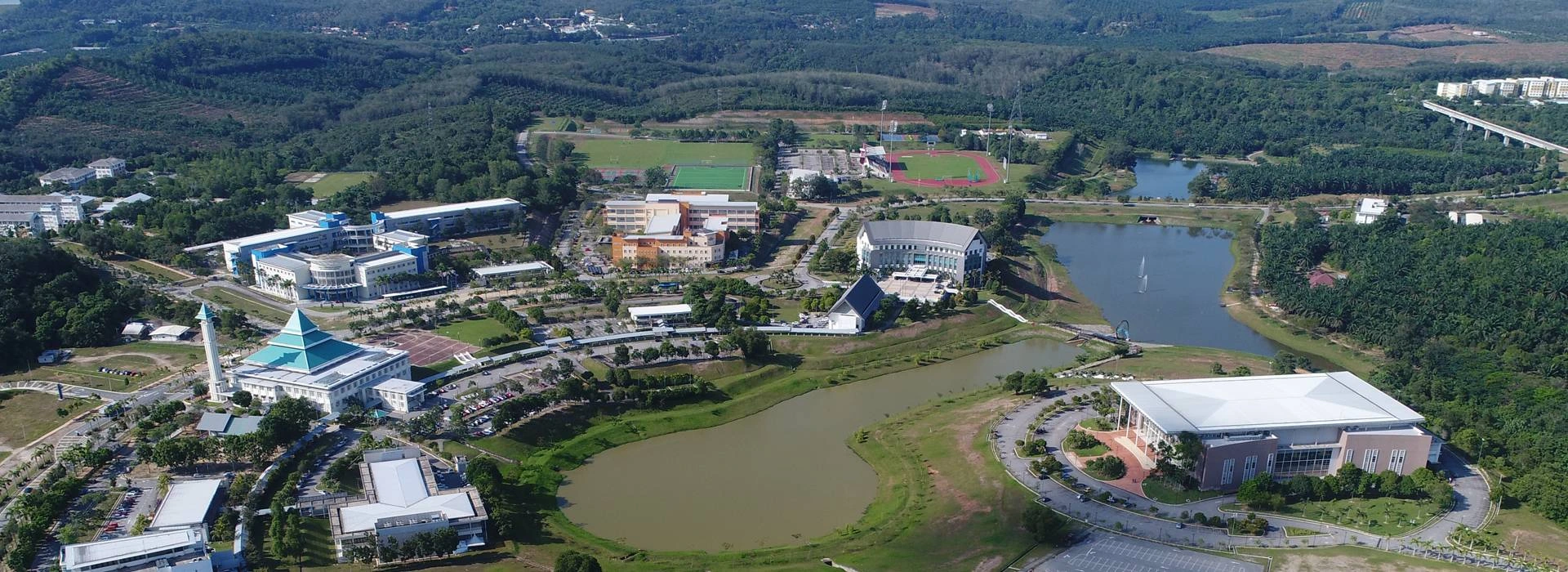
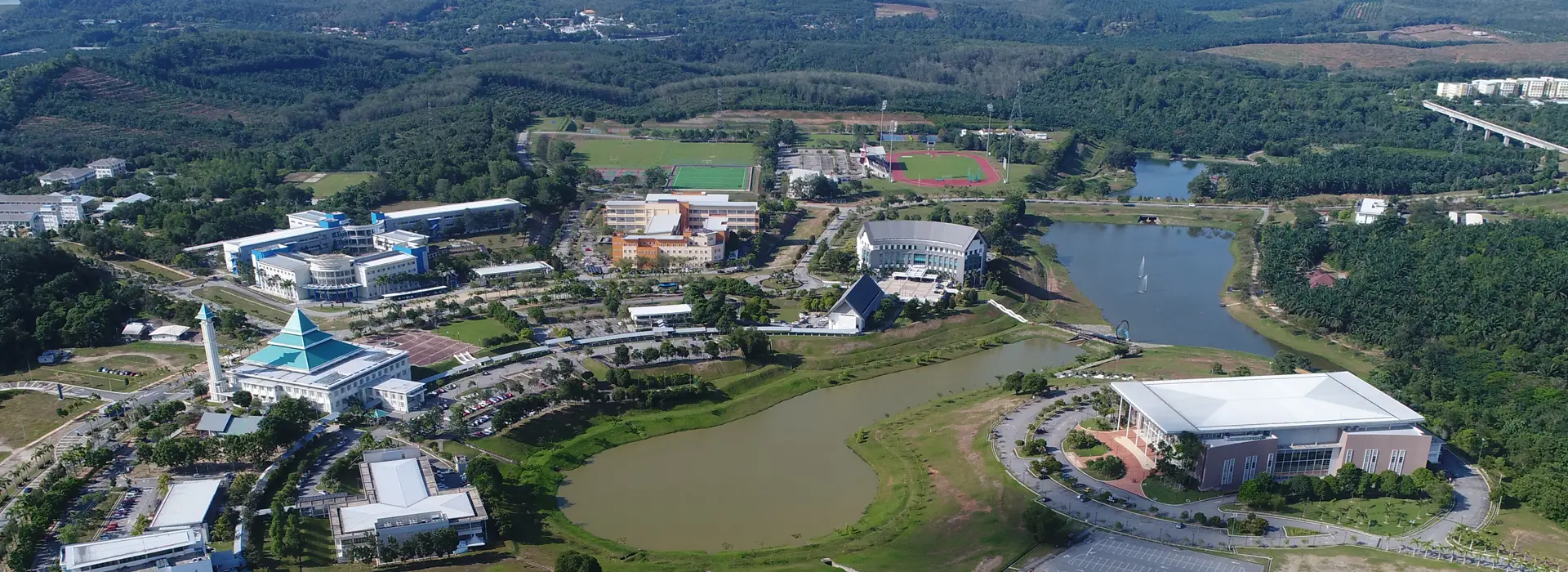
UTeM operates a fully residential campus in Melaka, designed to foster academic focus and community life. Facilities include modern lecture halls, specialised engineering laboratories, computer centres, a central library, sports complexes, student residences and dining halls. Campus life promotes study groups, lab projects and extracurricular activities that support student development.
Student support services include academic advising, counselling, international student offices, health services and career guidance. The residential model creates a safe, international-friendly environment where students can immerse in campus life and cultural exchange.
Key Campus Facilities at UTeM
- Advanced Teaching Laboratories: UTeM provides specialised facilities including Robotics & Automation, High Voltage, Thermodynamics & Technology, Instrumentation, Multimedia, Smart, Language and Chemistry laboratories. The university also has an Advanced Manufacturing Centre, supporting its technical and applied-learning focus.
- Laman Hikmah Library: The university library has a collection of more than 115,000 titles, including engineering and technology resources covering electrical, electronics and computer engineering, mechanical and manufacturing engineering, engineering technology, ICT and technology management.
- 24-Hour Reading Area: Laman Hikmah Library provides a dedicated 24-hour reading area on Level 2 at the Main Campus. The library also has discussion rooms, carrel rooms, viewing rooms and technology-enabled study spaces.
- Smart & Training Rooms: The library's Smart Room has 20 seats with a smart TV and computers, while its Training Room has 40 seats, a smart TV, computer and audio/PA system.
- Sports Complex: UTeM's sports facilities include a stadium with a football field and seating for approximately 500 spectators, an international-standard 400-metre synthetic track and an indoor sports hall.
- Outdoor Sports Facilities: Students have access to rugby, football, synthetic hockey, softball, archery, petanque, tennis, sepak takraw, volleyball, futsal, handball, basketball and netball facilities, along with kayaking and other recreational activities.
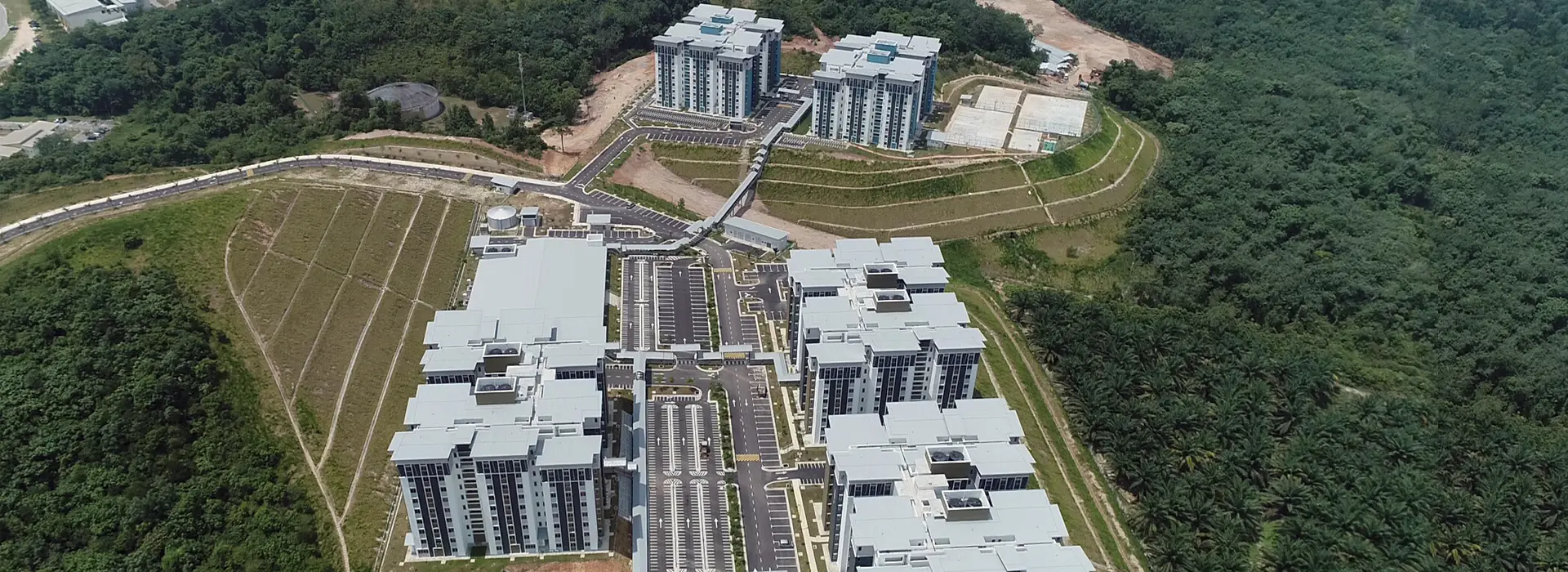
- Student Accommodation: UTeM provides residential colleges at its Main Campus. The Satria Residential College comprises five blocks, while Lestari Residential College provides additional accommodation. Facilities include cafeterias, laundry rooms, activity rooms, viewing rooms, surau, sports and recreation areas, kiosks and cleaning services.
- In-Room Internet: Students living in UTeM residential colleges can access internet facilities from their rooms, supporting online learning and communication.
- Health Centre: UTeM's Health Centre operates at the Main Campus and Technology Campus. Services include outpatient treatment, emergency treatment, consultation and examination, first-aid services and, at the Main Campus, laboratory, dental and ambulance services.
- Campus Wi-Fi: Wi-Fi hotspots are available at locations including the library, faculty lobbies, Student Activity Centre, postgraduate centre and student cafeterias.
- Digital Learning Services: UTeM provides internet connectivity and online systems such as the Student Portal and e-learning facilities, allowing students to manage schedules, access announcements and support their academic activities.
- Shuttle Services: Student Affairs provides air-conditioned buses to support transportation between UTeM campuses and other university facilities.
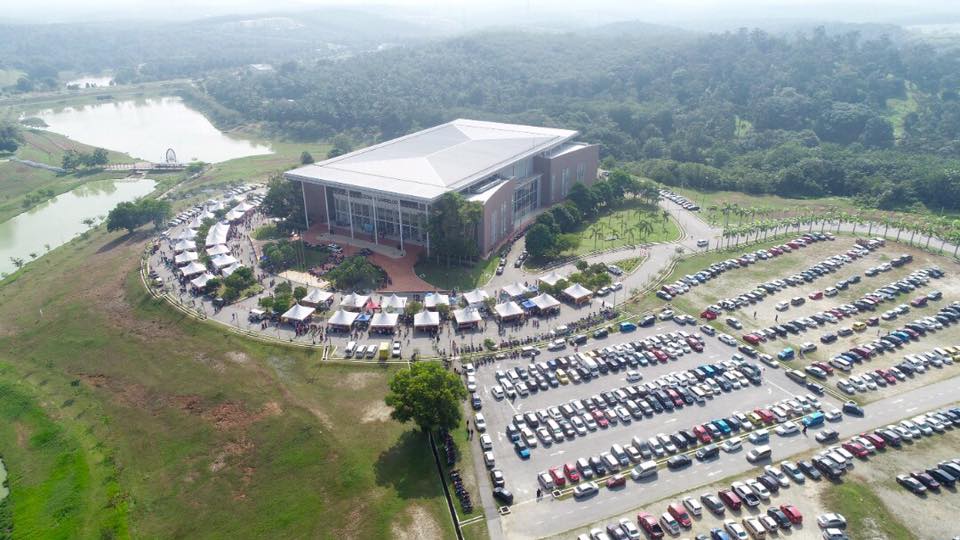
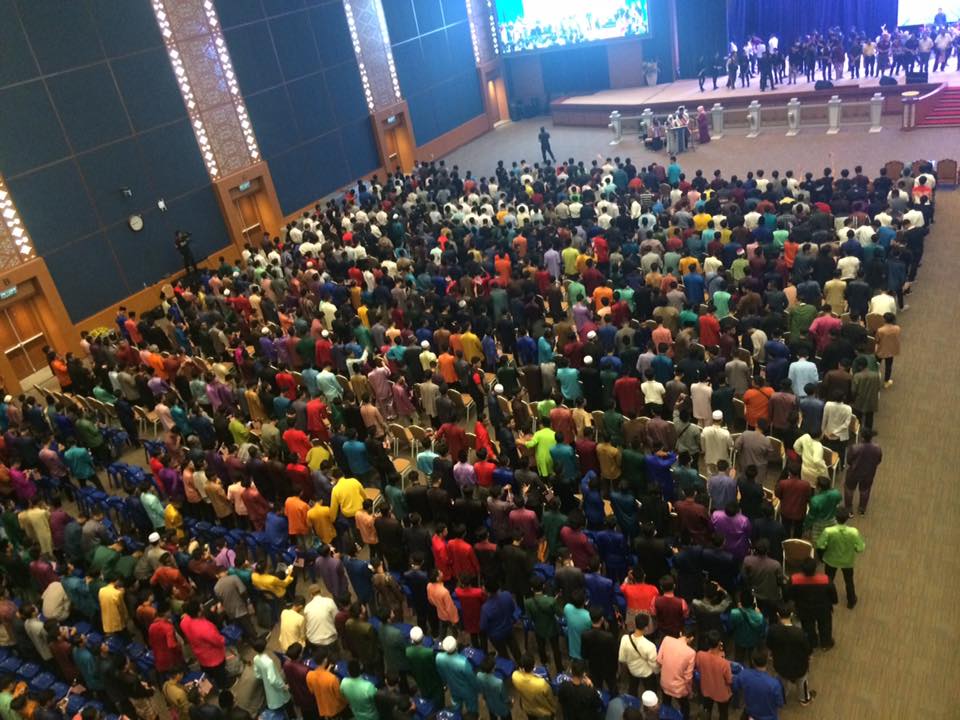
- Chancellor Hall: UTeM Chancellor Hall can accommodate up to 4,000 people and is used for convocations, official university events and examinations.
- Sayyidina Abu Bakar Mosque: The campus mosque has a capacity of up to 4,000 people and includes a prayer hall, reading room and administrative facilities.
- Student Amenities: The campus also provides cafeterias, student activity spaces, convenience facilities and other services designed to support students' academic and residential needs.
Faculties & Academic Programmes
UTeM’s faculties cover core technical and applied disciplines, plus supporting social and business sciences
Faculties at UTeM
- Faculty of Electronics and Computer Technology and Engineering
- Faculty of Electrical Technology and Engineering
- Faculty of Mechanical Technology and Engineering
- Faculty of Industrial and Manufacturing Technology and Engineering
- Faculty of Information and Communications Technology
- Faculty of Technology Management and Technopreneurship
- Faculty of Artificial Intelligence and Cyber Security
- School of Graduate Studies
- School of Technical Foundation and Diploma Studies
- School of International Studies and Global Languages
UTeM provides foundation programmes, diploma pathways, undergraduate degrees and postgraduate research options. Teaching emphasises practical skills, values-based education and real-world problem solving.
UTeM Degree Course List
| Level | Representative Programmes |
|---|---|
| Diploma | Diploma in Electrical Engineering, Diploma in Electronic Engineering, Diploma in Mechanical Engineering, Diploma in Manufacturing Engineering, Diploma in Computer Science |
| Undergraduate | Bachelor of Electrical Engineering with Honours, Bachelor of Electronic Engineering with Honours, Bachelor of Computer Engineering with Honours, Bachelor of Mechanical Engineering with Honours, Bachelor of Manufacturing Engineering with Honours |
| Computing & AI | Bachelor of Computer Science (Artificial Intelligence) with Honours, Bachelor of Computer Science (Computer Security) with Honours, Bachelor of Computer Science programmes in areas such as networking, database management and software development |
| Technology Management | Bachelor of Technopreneurship with Honours, Bachelor of Technology Management with Honours, including Technology Innovation and Supply Chain Management and Logistics |
| Postgraduate | Master's programmes in engineering, technology, computing and technology management, together with PhD and Doctor of Engineering programmes in relevant disciplines |
UTeM Fee Structure
According to the official UTeM fee documents, fees vary by programme, study level and student category. For international students, the university publishes separate fee schedules for different programme groups. The following gives an overall indication of the published fees, rather than a single fee applicable to every programme.
| Programme Group | Local Students | International Students |
|---|---|---|
| Bachelor of Engineering / Engineering Technology | RM49,000 | RM73,500 |
| Bachelor of Technology / Computer Science / Information Technology | RM41,000 | RM61,500 |
| Bachelor of Technology Management / Technopreneurship | RM35,800 | RM73,500 |
| Master's – Taught Course | Varies by programme | Varies by programme |
| PhD / Research Programmes | Varies according to programme and duration | Varies according to programme and duration |
For the published bachelor's fee schedules, charges can include registration fees, recurring semester fees, tuition fees, professional certificate/competency fees, industrial training fees and convocation fees. Accommodation is listed separately where applicable.
Important: UTeM states that fees are subject to change by the university authorities, so students should check the latest programme-specific fee schedule before applying.
Scholarships & Financial Support
UTeM offers scholarships, research grants and merit awards for both local and international students. Eligibility depends on academic performance, research potential and leadership qualities. Scholarships may cover tuition components, accommodation support or academic allowances depending on the award type. As a public university, UTeM provides affordable education options and additional financial support schemes that make study in Melaka accessible.
- Kesidang Scholarship: UTeM has allocated RM10 million over five years for the Kesidang Scholarship Programme to support students pursuing studies at the university. The programme includes support for eligible local and international students, particularly applicants from countries affected by war or poverty.
- Eligibility for International Students: The Kesidang Scholarship is open to international applicants who have received a full or conditional offer from UTeM and have not yet enrolled. International applicants from countries affected by wars and poverty receive priority consideration.
- Postgraduate Coverage: The scholarship is available for selected full-time postgraduate programmes, including PhD, Master's by Research and eligible Master's by Coursework programmes. MBA and offshore programmes are excluded under the published scholarship conditions.
- Tuition Fee Coverage: The Kesidang Scholarship covers tuition fees. However, registration fees, examination fees, service fees, fines and other charges are excluded. The scholarship also does not provide a living allowance under the published conditions.
- Duration of Support: The published scholarship terms provide funding for up to 3 years (6 semesters) for PhD programmes and 2 years (4 semesters) for Master's programmes, subject to the applicable scholarship conditions.
- Academic Requirement: Applicants for Master's study under the Kesidang Scholarship are required to have a minimum CGPA of 3.00 or equivalent at bachelor's level. Applicants must also pass the required interview or assessment.
- Research Applicants: Applicants for PhD and Master's by Research programmes must submit a research proposal as part of the Kesidang Scholarship application documentation.
- Other Financial Assistance: UTeM's official admission information also directs students to scholarship awards, education loans and education funds offered by government agencies, foundations, private organisations and financial institutions. Students who meet the relevant requirements can apply through the respective funding providers.
Student Life & International Community
Student life at UTeM is active and multicultural. The residential campus encourages social interaction, cultural events, clubs and societies, sports tournaments and volunteer programmes. International students benefit from orientation programmes, peer mentoring and student services that assist with adaptation to Malaysian life. The campus environment balances study, recreation and community engagement.
Student Life at UTeM
- Student Clubs & Societies: UTeM has a wide range of student organisations, including the UTeM Global Society (UGS), UTeM Student Buddies, Career Path Club, English Club, Debate & Public Speaking Club, Entrepreneurship Club, Media & Photography Club, UTeM Bikers, E-Sports Club, Karate Club, Tennis Club, Football Club and Tenpin Bowling Club.
- UTeM Global Society: The UTeM Global Society provides an international student community and is particularly relevant for students looking to connect with peers from different countries and participate in international-oriented activities.
- Student Buddies: The university also lists the UTeM Student Buddies (My Buddies) club among its student organisations, providing opportunities for students to build peer connections and participate in campus activities.
- Student Development – 8 Dimensions TUAH: UTeM structures student development around eight areas: academic and career development; ethics and spirituality; management and leadership; sports and recreation; culture and national identity; entrepreneurship; volunteering and community service; and technical and innovation.
- Leadership Opportunities: The Student Leadership and Activities Unit coordinates student activities, clubs and societies, including support for the Student Representative Council and annual campus elections.
- Sports & Recreation: Students can participate in sports such as football, netball, karate, tennis, e-sports and other recreational activities. UTeM also provides sports and recreation facilities within its residential colleges and wider campus.
- Residential College Life: UTeM's residential colleges provide more than accommodation. Facilities include cafeterias, laundry rooms, viewing rooms, activity rooms, surau, sports and recreation facilities, kiosks and cleaning services. Students also have internet access in their rooms.
- Student Accommodation Capacity: UTeM's official facilities information states that its main-campus residential colleges collectively provide accommodation for approximately 6,020 students.
- Campus Cafeterias: The main campus has three cafeterias, including two student cafeterias. These provide Malaysian food options and everyday dining facilities for students.
- Student Activity Centre: UTeM has a three-storey Student Activity Centre managed by the Student Affairs and Alumni Office. It provides space for student clubs and societies to meet, collaborate and organise activities.
- Counselling & Career Support: Student services include individual and group counselling, career advice and guidance, student accommodation management and support through the Fasilitator Sahabat Siswa (FASASI) programme.
- Volunteer & Community Activities: UTeM has a dedicated unit for community welfare and volunteering that coordinates student-led volunteer programmes through clubs, societies, secretariats and uniformed bodies. Activities can involve both university and wider community initiatives.
- International Mobility: Through CISMo, UTeM provides mobility opportunities that allow international exchange students to experience Malaysian culture while enabling UTeM students to interact and learn with peers from other countries.
- Campus Transport: Students have access to free campus shuttle buses connecting the hostels with the Main Campus and Technology Campus. The official UTeM facilities page states that weekday services run approximately from 6:00 a.m. to 11:00 p.m., with buses operating at around 30-minute intervals.
Why Choose this University?
- Fully residential campus that supports integrated academic and social life.
- Strong scholarship and research funding opportunities for eligible students.
- Industry-aligned programmes that enhance employability and practical skills.
- Affordable public university education with modern laboratories and technical facilities.
- Multicultural learning environment providing global exposure and networking opportunities.
- Technical and applied learning focus across engineering, information technology and management technology.
- Strong international recognition: UTeM is ranked #1201–1400 globally in the QS World University Rankings 2027.
- Asia ranking: UTeM achieved #262 in the QS Asia University Rankings 2026.
- Subject strengths: In the QS World University Rankings by Subject 2026, UTeM ranked 351–400 for Mechanical, Aeronautical & Manufacturing Engineering, 401–450 for Electrical & Electronic Engineering, and 651–700 for Computer Science & Information Systems.
- Emphasis on social responsibility, ethics and student development, alongside technical education, research and innovation
Ranking, Accreditation & Language of Instruction
UTeM is recognised internationally for its technical and engineering focus. In the latest QS World University Rankings 2027, UTeM is placed in the #1201–1400 global band. It also ranks #262 in the QS Asia University Rankings 2026, while its strongest QS subject results include Mechanical, Aeronautical & Manufacturing Engineering (351–400), Electrical & Electronic Engineering (401–450), and Computer Science & Information Systems (651–700).
UTeM's academic programmes are subject to accreditation and quality assurance requirements in Malaysia, including the Malaysian Qualifications Agency (MQA) and relevant professional bodies where applicable. As a Malaysian public university, UTeM operates within the country's higher-education framework and is recognised by the Ministry of Higher Education.
For international students, English is used extensively in UTeM's technical and academic environment, particularly across engineering, information technology and postgraduate study. However, students should check the specific programme's current language and English-proficiency requirements before applying, rather than assuming that every course is taught entirely in English.
Latest UTeM Rankings at a Glance
| RankingLatest Position | |
|---|---|
| QS World University Rankings 2027 | #1201–1400 globally |
| QS Asia University Rankings 2026 | #262 in Asia |
| QS Subject 2026 – Mechanical, Aeronautical & Manufacturing Engineering | #351–400 |
| QS Subject 2026 – Electrical & Electronic Engineering | #401–450 |
| QS Subject 2026 – Computer Science & Information Systems | #651–700 |
Admission Process for International Students
International students applying to UTeM must meet the academic and English-language requirements of their chosen programme and submit the required supporting documents.
Eligibility Requirements
For Undergraduate Programmes:
- Hold a recognised secondary school qualification, diploma or equivalent qualification accepted by UTeM.
- Meet the programme-specific academic requirements, particularly for engineering, computing and technology programmes.
- Meet UTeM's English-language requirements. Accepted qualifications may include IELTS, TOEFL and MUET, depending on the programme and current admission requirements.
- Meet any additional subject requirements specified for the selected degree.
For Master's Programmes:
- Hold a recognised Bachelor's degree in a relevant field.
- Meet the minimum CGPA or equivalent academic requirement specified by the selected programme.
- Meet the required English-language proficiency level.
- Fulfil any additional professional or programme-specific requirements.
For PhD Programmes:
- Hold a recognised Master's degree in a relevant discipline.
- Meet the academic requirements specified by the selected research area.
- Submit a research proposal for research-based programmes.
- Meet UTeM's English-language requirements.
- Satisfy any additional requirements set by the relevant faculty or research programme.
Documents Required
- International applicants should prepare:
- Valid passport and required passport information pages.
- Recent passport-size photograph.
- Academic certificates for the highest qualification obtained.
- Complete academic transcripts/marksheets.
- English-language proficiency certificate, such as IELTS or TOEFL, where required.
- Research proposal for Master's by Research and PhD applicants.
- Professional certificates or qualifications, where applicable.
- Proof of financial support, where required for postgraduate admission.
- Certified copies and English translations of documents where applicable.
- Any additional documents requested by the selected UTeM faculty or programme.
UTeM Admission Steps
- Choose a programme – Select a suitable UTeM degree or postgraduate programme.
- Check eligibility – Review the programme's academic, subject and English-language requirements.
- Prepare documents – Collect certificates, transcripts, passport, photograph and other supporting documents.
- Submit the online application – Complete the relevant UTeM international admission application.
- Upload documents – Submit clear and certified copies of all required supporting documents.
- Pay the application fee – Pay the applicable processing/application fee where required.
- Application assessment – UTeM evaluates the applicant's academic qualifications and supporting documents.
- Receive the offer letter – Successful applicants receive an official admission offer from UTeM.
- Complete student-pass/visa procedures – Follow UTeM's instructions for immigration and student-pass requirements before travelling to Malaysia.
- Complete university registration – After fulfilling the required immigration procedures, students complete registration and begin their studies at UTeM.
Important Points for International Students
- Programme requirements vary: Engineering, computing, technology and postgraduate programmes may have different academic requirements.
- English requirements vary: Applicants should check the latest English-language requirement for their specific programme.
- Research applicants: Master's by Research and PhD applicants should prepare their research proposal before applying.
- Document verification: Academic documents may need to be certified and translated into English where applicable.
- Complete applications: Missing documents can delay application assessment.
- Visa requirement: International students must complete the required student-pass/immigration process before commencing studies in Malaysia.
Career Prospects & Alumni
UTeM graduates enter sectors such as manufacturing, engineering design, information technology, research and development, construction and management. The university’s close industry ties and internship programmes facilitate job placements, while career services support CV development, interview preparation and employer networking. Alumni have taken roles in leading regional and global organisations and many pursue advanced research or entrepreneurship.
Career Prospects
- Graduate Employment: UTeM reported a 99.2% graduate employment rate for 2025, compared with 97.9% in 2024. Its graduate employability rate reached 98.7% in 2025.
- Employment in Related Fields: In 2025, 70.1% of UTeM graduates were working in fields related to their studies, involving 1,698 graduates.
- Industry-Aligned Curriculum: UTeM states that its curriculum is developed closely with industry experts to ensure that programmes remain relevant to industrial requirements and technical workforce needs.
- Industrial Training: Selected programmes include compulsory industrial training, giving students structured workplace exposure, practical experience and professional skills. For example, some Technology Management programmes require between 12 and 24 weeks of industrial training.
- Career Guidance: UTeM Career Connect provides students and recent graduates with career information, advice, guidance and support for developing career-management skills.
- Employer Connections: UTeM works with industry partners through career programmes, employer engagement, industrial training opportunities and recruitment initiatives. A 2026 Career Hub event, for example, connected students with companies offering industrial training and employment opportunities.
- Industry Recognition: In the 2026 Graduate Employability Index assessment involving 1,200 employers, UTeM's Automotive field ranked first among Malaysian public universities, while Entrepreneurship, Mechanical Engineering and Mechatronics Engineering received 6-Star Employer Choice recognition.
- Technology & Computing Careers: UTeM graduates can pursue roles such as software developers, network engineers, system analysts, IT executives and other computing and technology positions, depending on their specialisation.
- Entrepreneurship: UTeM's technical and technology-management programmes also provide pathways towards entrepreneurship and technology-based business ventures.
Alumni Network
- Alumni Career Support: UTeM's Centre for Student Empowerment, Alumni & Careers coordinates alumni, career-development and industrial-training activities.
- Career Networking: UTeM's alumni and career functions help connect graduates with employers and provide career-related information and opportunities.
- Alumni Stories: UTeM's official alumni portal features graduates working as Solutions Architects, IT Executives, Lead Consultants, Management Information Systems Analysts, Senior DCS Engineers and university academics.
- Further Studies: Graduates can continue to Master's and doctoral programmes to develop advanced expertise or pursue research careers.
- Industry & Employer Network: UTeM has established industry relationships and collaborations intended to strengthen graduate employability, including partnerships supporting career fairs, industrial placements and employment opportunities.
Living in Melaka, Malaysia
Melaka is a historic UNESCO World Heritage city with a vibrant cultural scene, affordable living and modern amenities. Students enjoy diverse dining, cultural festivals, museums and accessible transport. Melaka offers a comfortable student lifestyle with safety, community warmth and opportunities for weekend travel to other Malaysian regions.
Student Life in Melaka
- UNESCO World Heritage City: The historic centre of Melaka, together with George Town in Penang, was inscribed as a UNESCO World Heritage Site in 2008 for its historic trading-port heritage and multicultural architecture.
- Location of UTeM: UTeM's main campus is located in Durian Tunggal, Melaka, while the university also has a city campus in Ayer Keroh.
- Food & Dining: Students can find Malaysian, Chinese, Indian and international food options throughout Melaka, including affordable restaurants, food courts and local eateries.
- Culture & Heritage: Popular attractions include Jonker Street, A Famosa, Stadthuys, Melaka River, St. Paul's Hill and Cheng Hoon Teng Temple, giving students opportunities to explore the city's multicultural heritage.
- Shopping & Entertainment: Ayer Keroh and central Melaka have shopping malls, supermarkets, cinemas, cafés and recreational facilities that provide everyday conveniences for students.
- Transportation: Local buses, e-hailing services and taxis provide transport around Melaka. UTeM also operates student transportation services between relevant university locations.
- Healthcare: Melaka has public and private hospitals, clinics and pharmacies, while UTeM provides health services on campus for students.
- Climate: Melaka has a hot and humid tropical climate throughout the year, with rainfall occurring across different periods of the year. Students should be prepared for warm temperatures and frequent rain.
- Weekend Travel: Melaka's location makes it possible to travel to destinations such as Kuala Lumpur, Port Dickson and Johor for weekend trips, subject to transport schedules.
- Student-Friendly Environment: The combination of university facilities, residential accommodation, food options, shopping areas and cultural attractions makes Melaka a practical location for international students.
- International Community: Students from different backgrounds can experience Malaysia's multicultural environment through local festivals, food, cultural attractions and university activities.
- Climate: Melaka has a hot, humid tropical climate throughout the year, with relatively little seasonal temperature variation.
- Temperature: Daytime temperatures are generally around 30–32°C, while nights are typically around 23–25°C.
- Rainfall: Rain can occur throughout the year, with heavier rainfall often associated with the Southwest and Northeast Monsoon periods.
- Humidity: Humidity is generally high, so students should expect warm and humid conditions, particularly during the daytime.
- What to Pack: Lightweight cotton clothing, comfortable footwear, an umbrella or rain jacket and sun protection are useful for everyday life in Melaka.
Conclusion
Technical University of Melaka (UTeM) offers robust engineering and technology programmes within a fully residential, research-oriented environment. With its industry partnerships, scholarship opportunities and English-medium instruction, UTeM is an attractive option for international students seeking practical, career-focused study in Malaysia. Prospective applicants are encouraged to explore programme details, check entry requirements and begin their application for study in Melaka.
Students can also benefit from UTeM’s campus facilities, residential accommodation, student clubs and career support services, which contribute to a well-rounded university experience. Its location in Melaka provides students with opportunities to experience Malaysia’s cultural heritage while pursuing technical and professional education in a supportive academic setting.
Frequently Asked Questions About UTeM
1. Is UTeM a good choice for students interested in technical and engineering careers?
Yes. UTeM is particularly suitable for students seeking practical education in engineering, manufacturing, computing, electronics, electrical technology and other technical disciplines, with an emphasis on application-oriented learning.
2. What is the difference between UTeM and other public universities in Malaysia?
UTeM has a specialised technical-university focus, with its academic offerings strongly concentrated on engineering, technology, manufacturing, computing and technology management. Its practice- and application-oriented approach also distinguishes it from more broadly focused public universities.
3. Does UTeM offer programmes related to artificial intelligence and cybersecurity?
Yes. UTeM offers programmes in areas such as Artificial Intelligence and Computer Security through its Faculty of Artificial Intelligence and Cyber Security. These programmes are suitable for students interested in emerging digital technologies and information security.
4. Can international students apply directly to UTeM without using an education agent?
Yes. International applicants can submit applications through UTeM's official online admission system. Students may apply independently by completing the required application and submitting the necessary academic, passport and language documents.
5. Are UTeM degree course fees the same for every international undergraduate programme?
No. UTeM degree course fees vary according to the programme group and duration of study. For example, the university's published international fee schedules show different totals for engineering and engineering technology programmes compared with computer science, information technology and technology programmes.
6. Does UTeM provide opportunities for students to work on practical projects?
Yes. Practical learning is an important part of the UTeM academic model. Students in technical disciplines may gain hands-on experience through laboratories, workshops, projects, industrial training and application-oriented coursework related to their fields.
7. Can students change their programme or faculty after joining UTeM?
Programme or faculty changes are subject to UTeM's academic regulations and the specific requirements of the university and receiving programme. Students should consult the relevant faculty or academic office before requesting a transfer.
8. What industries can UTeM graduates work in after completing their studies?
UTeM graduates can pursue careers across industries such as manufacturing, automotive, electronics, electrical engineering, information technology, software, cybersecurity, automation, engineering services, technology management and research, depending on their qualification and specialisation.
9. Does UTeM accept credit transfers from another university?
Credit transfer may be possible subject to UTeM's academic regulations, programme requirements and assessment of previously completed courses. Applicants should have their previous qualifications and transcripts evaluated by the relevant academic faculty before assuming that credits will transfer.
10. What should students consider before choosing a programme at UTeM?
Students should compare the programme curriculum, entry requirements, duration, professional or industry requirements, career opportunities and total study costs before applying. Checking the latest programme information directly with UTeM is also important because academic and fee requirements can change.