

Table of Contents
Introduction of Universiti Pendidikan Sultan Idris (UPSI)
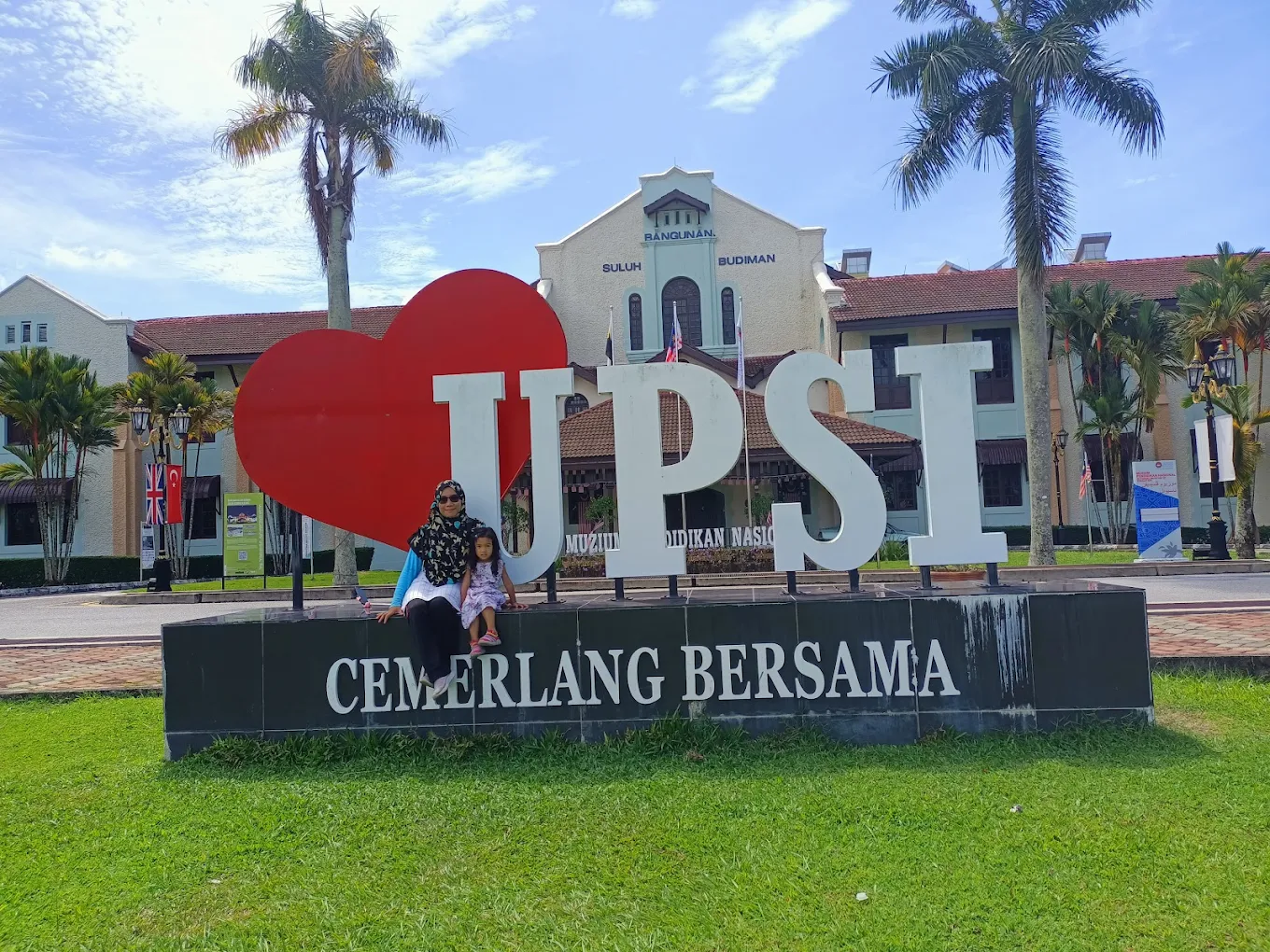
Universiti Pendidikan Sultan Idris (UPSI) is Malaysia’s premier public education university and one of the best public universities in Malaysia for students who wish to pursue teaching, human sciences, arts, sports, and social sciences. Located in Tanjung Malim, Perak, the university is known for its strong academic foundation, historic campus environment, and commitment to producing high-quality educators and professionals.
For students researching UPSI university ranking, the university is placed #156 in the QS Asia University Rankings 2026 and #851–900 in the QS World University Rankings 2027. UPSI also operates two main campuses, Sultan Abdul Jalil Shah Campus and Sultan Azlan Shah Campus, and maintains a strong international focus.
Quick Facts
-
Official Name: Universiti Pendidikan Sultan Idris (UPSI)
-
English Name: Sultan Idris Education University
-
Type: Public education-focused university
-
Location: Tanjong Malim, Perak, Malaysia
-
QS World University Rankings 2027: #851–900
-
QS Asia University Rankings 2026: #156
-
Academic Focus: Education, arts, sciences, sports, computing, creative industries, management and social sciences
-
Main Campuses: Sultan Abdul Jalil Shah Campus and Sultan Azlan Shah Campus
-
Faculties: 10
-
Study Levels: Diploma, undergraduate, master's and PhD
-
Established: 1922 as Sultan Idris Training College; became a university in 1997
History & Background
The origins of Universiti Pendidikan Sultan Idris (UPSI) can be traced back to 1922 when the Sultan Idris Training College (SITC) was established in Tanjong Malim, Perak. The institution helped develop Malay and vernacular education in Malaya, Brunei, Borneo, and Singapore and was created to train teachers. Its first intake was 120 students, and 58 trained teachers graduated in 1924.
SITC was transformed into Maktab Perguruan Sultan Idris (MPSI) in 1957 and then into Institut Perguruan Sultan Idris (IPSI) in 1987. These years also saw the institution move into providing teacher training and become a center of intellectual debate, the development of the Malay language, and creative writing.
On 1 May 1997, IPSI officially became UPSI under the Universiti Pendidikan Sultan Idris (Corporation) and Campus Orders 1997. The university opened in 2004 with 350 students and 29 staff members. Today, UPSI is a public multidisciplinary university that has 10 faculties in education, arts, sciences, sports, computing, creative industries, and social sciences. Its mission is to generate and develop knowledge through teaching, research, publication, consultancy, and community service.
Campus Environment & Facilities
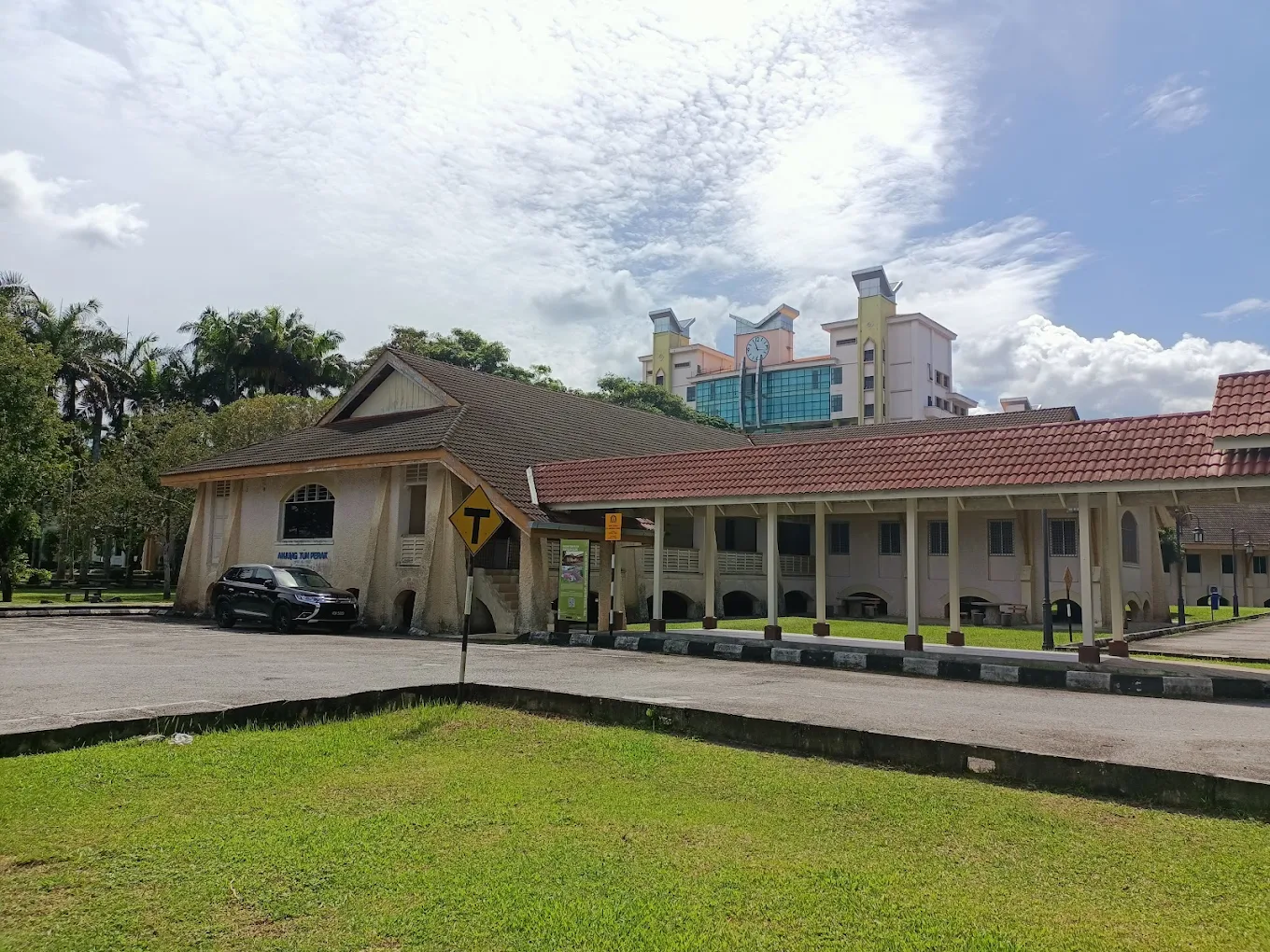
UPSI is divided into two major campuses: Sultan Abdul Jalil Shah Campus and Sultan Azlan Shah Campus. Both campuses offer modern academic buildings, performance studios, laboratories, libraries, sports centers, hostels, and student-involved activity spaces.
Facilities include digital classrooms, ICT centers, language labs, counseling units, and indoor and outdoor recreational facilities. UPSI’s international office supports newcomers with visa processing, cultural integration, accommodation, and academic support.
Sultan Abdul Jalil Shah Campus
The campus includes:
- Tuanku Bainun Library, with a 24-hour reading room, individual carrels, discussion rooms, seminar rooms, Wi-Fi, self-check machines, and digital learning facilities.
- Lecture Hall Complex for lectures, seminars, and academic discussions.
- Motion Capture Studio for digital creativity, animation, film, gaming, and virtual reality-related activities.
- International, Mobility and Advanced Education Centre (IMAC) for international partnerships, mobility programmes, and exchange opportunities.
- Bitarasiswa Building, which provides student guidance, counselling, and related services.
- UPSI Art Gallery and UPSI Auditorium for exhibitions, performances, lectures, and university events.
Sultan Azlan Shah Campus
KSAS features the Academic Complex, with modern lecture halls, seminar rooms, study spaces, a digital library, and Sek Rendah Sri Budiman. The campus also houses the Centre of Pedagogical Research & Innovation (CPRI), Centre of Teaching Practice & Industrial Training (PULAMI), Co-Curriculum Centre, Sports Centre UPSI, Student Centre, and Tuanku Chancellor Hall.
Accommodation & Student Facilities
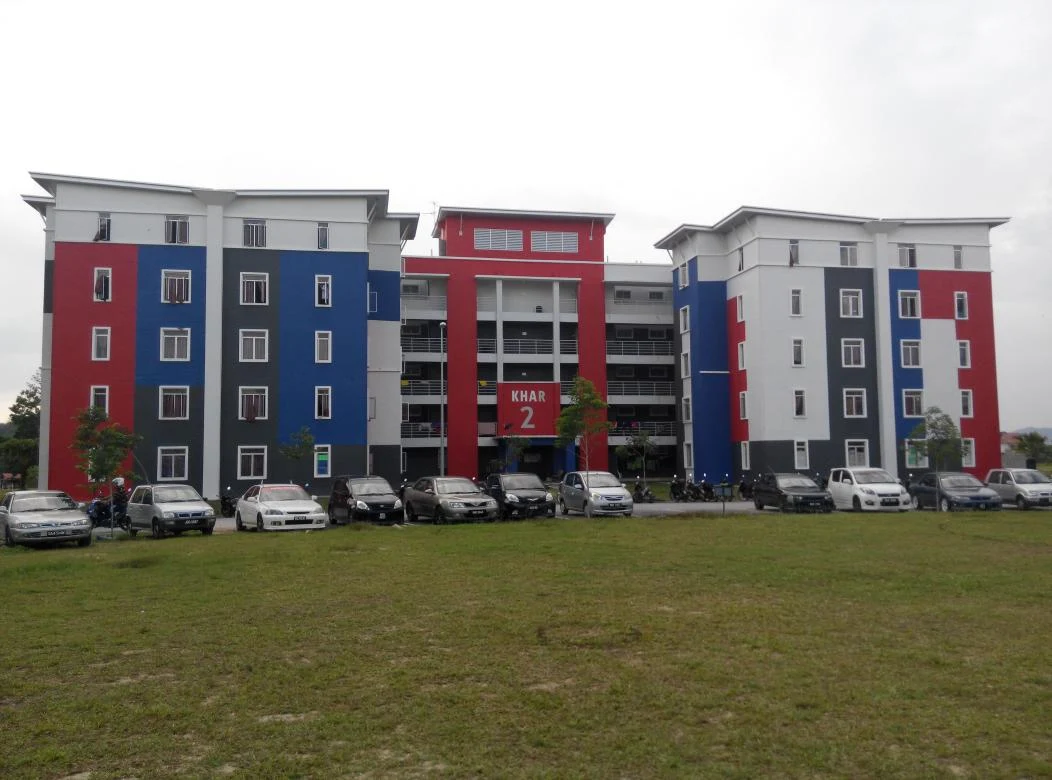
Universiti Pendidikan Sultan Idris provides on-campus residential colleges including Aminuddin Baki College, Awang Had Salleh College, and Harun Aminurrashid College. UPSI also has an Off-Campus Housing Unit for students seeking alternative accommodation. A University Residential & Community Center is planned with capacity for more than 2,500 students.
Students also have access to cafeterias, convenience stores, ATMs, student lounges, laundry facilities, outdoor courts, kayaking, bowling, a golf driving range, shuttle buses, and other campus services.
Sports & Recreation
The UPSI Sports Centre provides indoor and outdoor facilities for training, competition, fitness, and recreational activities. The university also lists outdoor courts, Padang Utama, kayaking facilities, UPSI Sports Bowl, and a golf driving range among its campus facilities.
International Student Support
For international students, UPSI provides dedicated support through its international centre, residential accommodation, mobility services, and campus facilities. Its official international page highlights safe residential colleges, nearby rental options, modern learning facilities, sports complexes, recreational spaces, student clubs, cultural activities, and community engagement opportunities.
Faculties & Academic Programmes
UPSI offers a wide range of programmes for foundation, undergraduate, postgraduate, and research levels. While education remains the core focus, the university has expanded into multimedia, sports science, human sciences, management, and creative arts.
Faculties and Academic Focus
| Faculty | What You Can Study | Examples of Current Study Areas |
|---|---|---|
| Faculty of Languages and Communication | Languages, linguistics, literature and communication | Malay language and literature, English language teaching, Arabic, Chinese, Tamil, ethnic languages and communication |
| Faculty of Human Sciences | Humanities, social sciences and Islamic studies | History, geography, Islamic education, moral education, Malaysian studies, Tahfiz Al-Quran and Qira'at |
| Faculty of Technical and Vocational | Technical education and vocational training | Technical and vocational education, engineering technology and skills-based learning |
| Faculty of Music and Performing Arts | Music, performance and creative practice | Music education, music, dance, theatre and performing arts |
| Faculty of Art, Sustainability & Creative Industry | Art, design and digital creative fields | Art education, advertising, animation, digital games, multimedia and creative design |
| Faculty of Computing and Meta-Technology | Computing, digital technology and emerging technologies | Computer science, software engineering, information systems, AI, data science, multimedia, game design, robotics and IoT |
| Faculty of Human Development | Human development and learner support | Early childhood education, special education, guidance and counselling, psychology |
| Faculty of Management and Economics | Business, economics and management | Management, economics, accounting, business and related disciplines |
| Faculty of Science and Mathematics | Science and mathematics | Biology, chemistry, physics, mathematics and science and mathematics education |
| Faculty of Sports Science and Coaching | Sport, physical education and coaching | Sports science, physical education, coaching and sports-related studies |
Programme Levels
- Diploma: UPSI offers diploma-level options in selected disciplines. The Faculty of Computing and Meta-Technology, for example, lists Diploma in Game Design and Development and Diploma in Computer Science, each with a six-semester, two-year duration.
- Bachelor's degree: Undergraduate programmes cover education and non-education fields, including information technology, computer science, software engineering, digital games, animation, business, science, languages, arts and sports.
- Master's degree: Students can pursue coursework, mixed-mode or research-based master's programmes depending on the faculty and discipline. Current examples include artificial intelligence, software engineering, computer graphics and multimedia, art education, digital games and creative studies.
- PhD: Doctoral study is available in research areas across multiple faculties. In computing, current doctoral fields include artificial intelligence, software engineering, human-computer interaction, Internet and web computing, information systems and management, and computer-aided design technology.
- International study options: Universiti Pendidikan Sultan Idris provides academic options for international students across multiple faculties and study levels, with programme availability depending on the faculty and intake.
Scholarships & Financial Support
UPSI offers several scholarship opportunities for international students, including merit-based awards, postgraduate research funding, and partial tuition fee waivers. These scholarships help learners access high-quality education without excessive financial burden.
Malaysia’s moderate cost of living, combined with UPSI’s efficient fee structure, makes the university a desirable choice for international students seeking affordability and academic excellence.
Financial Support for International Students
| Scholarship / Scheme | Eligibility | Support Provided |
|---|---|---|
| Special Scheme for International Master Students (SSIMS) | International students applying for a full-time Master’s degree by research at UPSI. Applicants must have a relevant bachelor’s degree, a minimum CGPA of 3.00 or equivalent, and IELTS 6.0 or TOEFL 550. | Exemption from the RM100 processing fee and tuition fees for three semesters. Other recurring fees remain payable. |
| Teaching Assistant / Part-Time Lecturer Opportunity under SSIMS | Successful SSIMS candidates, subject to faculty availability and requirements. | Eligible candidates may be appointed as teaching assistants or part-time lecturers using the respective faculty’s financial allocation. |
The SSIMS scheme is designed for international students who demonstrate academic and extracurricular excellence. Candidates must study full-time in a research-mode master's programme and meet UPSI's academic and English-language requirements. The scheme also includes study-related conditions, including completing the programme within three semesters and conducting joint research with a supervisor.
Other Financial Assistance
UPSI's postgraduate financial-support section also lists several assistance categories, including:
- Fee instalment arrangements
- Support through the WEZAS student assistance programme
- JHEPA-related assistance
- BITARA Scheme and BITARA Scholarship
- Support for Scopus/WoS publications
- Conference-related financial support
Important for International Students
UPSI publishes separate tuition-fee information for international students, with fees varying according to the programme and field of study. For example, the current postgraduate fee pages list different fees for international students in science and non-science/technical programmes. Students should therefore check the latest fee structure for their specific programme before planning their budget.
Fee Structure for International Students
The tuition fees at UPSI vary according to the study level, programme, faculty, and duration. The university publishes separate fee schedules for international students, so applicants should check the fee applicable to their specific programme before applying.
Undergraduate Estimated Tuition Fees
UPSI lists many international bachelor's programmes at a total tuition fee of RM44,000. Examples include:
| Programme | Duration | Semester 1 | Following Semesters | Estimated Total Tuition |
|---|---|---|---|---|
| Arts (Theatre) | 6 semesters | RM9,250 | RM6,950 | RM44,000 |
| Arts (Dance) | 6 semesters | RM9,250 | RM6,950 | RM44,000 |
| Communication (Social Communication) | 6 semesters | RM9,250 | RM6,950 | RM44,000 |
| Communication (Content Development) | 7 semesters | RM8,300 | RM5,950 | RM44,000 |
| Accountancy | 7 semesters | RM8,300 | RM5,950 | RM44,000 |
| Design (Animation) | 7 semesters | RM8,300 | RM5,950 | RM44,000 |
| Sport Science (Coaching Science) | 6 semesters | RM9,250 | RM6,950 | RM44,000 |
| Business Administration (Financial Services) | 8 semesters | RM7,600 | RM5,200 | RM44,000 |
Additional Undergraduate Fees
The published undergraduate tuition totals do not include certain additional charges, which may include:
- Accommodation: RM1,950
- Convocation fee: RM240
- International bond: RM2,000, refundable
- Service tax: 6%
These charges are listed separately in UPSI's fee structure for international students.
Postgraduate Tuition Fees
For international postgraduate students, tuition fees depend on the field of study. UPSI separates programmes into categories such as Science & Technical, Non-Science & Technical, and Science Stream under the Faculty of Science and Mathematics.
| Study Category | Estimated Master's Grand Total | Estimated PhD Grand Total |
|---|---|---|
| Science & Technical | RM15,660 | RM30,630 |
| Non-Science & Technical | RM14,680 | RM29,190 |
| Science Stream, Faculty of Science & Mathematics | RM18,660 | RM37,030 |
The postgraduate totals are based on UPSI's published international fee schedules. Thesis or dissertation examination fees are charged separately.
Student Life & International Community
UPSI is known for its vibrant student life, rich cultural diversity, and active involvement in arts, sports, and community activities. Students can join cultural clubs, music groups, academic associations, debate societies, language clubs, volunteer programmes, and sports teams.
Residential colleges offer safe and comfortable living arrangements with access to dining halls, study lounges, recreational areas, and transportation services. Student well-being is supported through health clinics, counseling centers, and mentorship programmes.
Key Highlights
- Clubs & Activities: Students at UPSI can participate in student clubs, societies, cultural programmes, arts, community activities, and leadership opportunities through co-curricular programmes.
- Sports & Recreation: UPSI offers sports facilities including courts, sports fields, a Sports Bowl, and an Adventure Park for fitness, recreation, training, and team-building activities.
- International Student Support: The International Mobility & Collaboration Centre (IMAC) supports international students with international programmes, mobility opportunities, visa and immigration matters, and other aspects of university life.
- Accommodation: UPSI provides residential colleges including Aminuddin Baki College, Awang Had Salleh College, and Harun Aminurrashid College. Students can also explore approved off-campus accommodation options.
- Health & Well-being: Students have access to the UPSI Health Centre, Counselling Centre, and Wellness Centre for medical care, counselling, and general well-being support.
- Campus & Local Life: The UPSI campus in Tanjong Malim, Perak, offers a quieter student-town environment with access to recreational areas, local amenities, cafés, and nearby outdoor attractions.
UPSI University Ranking
The UPSI university ranking reflects its growing presence in global and Asian higher education. According to the latest QS rankings, Universiti Pendidikan Sultan Idris (UPSI) is placed in the #851–900 band in the QS World University Rankings 2027. UPSI was also ranked #156 in the QS Asia University Rankings 2026, placing it among the ranked universities across the Asian region.
| Ranking | UPSI Position |
|---|---|
| QS World University Rankings 2027 | #851–900 |
| QS Asia University Rankings 2026 | #156 |
The QS ranking profile also shows that UPSI improved from the #951–1000 band in 2025 to #851–900 in 2026, before retaining the same band in the 2027 edition.
For students comparing Malaysian universities, the UPSI university ranking can be considered alongside programme quality, admission requirements, tuition fees, campus facilities, international student support, and career opportunities rather than as the only measure of university suitability.
Why Choose This University
UPSI is particularly suitable for students who want to pursue careers in education, humanities, arts, and social sciences, offering strong academic training and hands-on experience.
Reasons to Choose UPSI
- Strong Global Ranking: UPSI university ranking places the institution at #851–900 in the QS World University Rankings 2026 and #156 in the QS Asia University Rankings 2026, giving international applicants a recognised benchmark of its global and regional standing.
- Specialised Academic Strength: UPSI has particular depth in education, arts, humanities, sports science, performing arts, and human development, with dedicated faculties offering programmes that combine academic knowledge with practical and professional preparation.
- Practical Learning Opportunities: Students can gain hands-on experience through teaching practicum, industrial training, professional attachments, creative studios, sports training, and specialised facilities such as the Motion Capture Studio, depending on their programme.
- International Student Environment: Universiti Pendidikan Sultan Idris supports international engagement through its International Mobility & Collaboration Centre, which facilitates mobility programmes, international partnerships, exchanges, and support related to student-pass and immigration matters.
- Student-Friendly Campus: UPSI provides residential colleges, learning facilities, sports complexes, recreational spaces, cafés, convenience services, and shuttle transportation. Its Tanjong Malim location offers a quieter study environment while remaining about an hour from Kuala Lumpur.
Admission Process for International Students
Universiti Pendidikan Sultan Idris (UPSI) has a dedicated admission process for international applicants. The application route differs slightly between undergraduate and postgraduate study, so students should follow the process applicable to their chosen programme.
Undergraduate Admission Requirements
International applicants for bachelor's programmes must meet UPSI's academic and English-language requirements. Depending on the qualification, applicants may be considered with an A-Level or equivalent qualification, a recognised senior secondary qualification involving at least 12 years of schooling, or a recognised diploma with a minimum CGPA of 2.50. Programme-specific requirements may also apply.
- For English proficiency, UPSI accepts several qualifications, including:
- TOEFL iBT: minimum 40
- IELTS/IELTS Online: minimum 5.0
- Cambridge English Qualifications and Test: Linguaskill Online, minimum 154
- APTIS General: minimum Band B1
- MUET: minimum Band 3.5
- Other certified examinations aligned with CEFR may also be accepted.
Some programmes may require applicants to complete an interview or special admission test.
How to Apply for Undergraduate Programmes
- Create an account: Visit UPSI's official eBITARA admission portal and create a new account using the required personal details.
- Log in: Sign in using your passport number and the password created during registration.
- Complete the application: Enter the required information under the personal information, profile picture, document upload, and programme selection sections.
- Upload verified documents: Upload the required academic and supporting documents. UPSI states that uploaded documents must be verified.
- Pay the application fee: Use the ePayment option provided by UPSI. Payment methods include online banking, Visa, Mastercard, and Flywire for international payments.
- Submit the application: Upload the payment receipt and submit the completed application through the portal.
- Wait for the admission decision: Applications are assessed against UPSI's general and programme-specific requirements. Applicants can use the university's online system to check their international offer status.
Application Timing
UPSI states that international undergraduate applications are open throughout the year. However, because admission processing and visa procedures take time, the university recommends submitting applications at least four months before the semester begins.
After Receiving the Offer
Once an international student receives an offer from UPSI, they must proceed with the Electronic Visa Approval Letter (eVAL) application through the Education Malaysia Global Services (EMGS) system. UPSI recommends starting this process at least three months before the semester begins to allow sufficient time for visa processing.
Students should then complete the university's required admission and registration procedures after arriving in Malaysia. UPSI provides an international admission kit containing resources such as the international student guide, visa application guidelines, acceptance letter information, health declaration, admission flowchart, financial information, and registration instructions.
Postgraduate Admission
International applicants for master's and doctoral programmes apply through the UPSI Institute of Graduate Studies (IPS). Applicants must meet the general and faculty-specific entry requirements. For example, master's applicants generally need a recognised bachelor's degree with honours and a CGPA of at least 2.75, while doctoral applicants generally need a recognised master's degree. Additional faculty requirements may apply.
International postgraduate applicants generally need TOEFL 500 or IELTS 5.5, with certain exceptions for programmes where Malay is the field of study or language of instruction. Applicants should check the specific requirements of their chosen faculty before applying.
UPSI provides a separate online application route for international postgraduate applicants through its Institute of Graduate Studies admission system.
Career Prospects & Alumni
UPSI graduates are highly employable in education, counseling, arts, sports, management, media, social research, and public administration. The university prepares students for roles such as teachers, counselors, trainers, artists, administrators, and community leaders.
The Career Development Centre organizes job fairs, internship placements, resume-building workshops, and networking events to help students transition into their professional careers.
Career Development & Employability
- Graduate Employability Support: The Entrepreneurial Development & Graduate Employability Centre (EDGE) is a dedicated UPSI centre focused on graduate employability and entrepreneurship. It supports students in developing skills and preparing for employment and entrepreneurial opportunities.
- Teaching Practicum & Industrial Training: The Centre of Teaching Practice & Industrial Training (PULAMI) coordinates teaching practicum placements, industrial training, and professional attachments, allowing students to gain practical experience alongside their academic studies.
- Education Careers: As a university specialising in education, UPSI offers programmes that prepare graduates for teaching and other education-related careers. Students can gain practical teaching experience through structured practicum placements coordinated by PULAMI.
- Entrepreneurship: Students can also access entrepreneurship-focused support through EDGE, giving those interested in starting a business or developing entrepreneurial skills a dedicated university platform.
Alumni Network
UPSI has a dedicated Alumni Centre responsible for alumni-related affairs and engagement. The Alumni Centre is also represented within the university's Student Centre, alongside student affairs and student representative council facilities, helping maintain connections between the university and its graduate community.
Career-Relevant Campus Experience
Students can complement their academic studies through co-curricular activities managed by the Co-Curriculum Centre, including clubs, associations, sports, arts, and community-service programmes. UPSI states that these activities help students develop leadership, creativity, and teamwork skills that can support their transition into professional life.
Living in Tanjung Malim, Malaysia
Tanjung Malim is a peaceful town known for its affordability, safety, and student-friendly environment. Students enjoy easy access to food outlets, supermarkets, public transportation, and recreational areas. The cost of living is moderate, and the relaxing surroundings provide an excellent academic atmosphere.
Located along the Malaysia–Perak border, the town is well-connected to Kuala Lumpur, making travel convenient for students.
Climate & Weather
- Climate: Tropical, warm and humid throughout the year.
- Average temperature: Around 25°C–26°C based on long-term climate data.
- Typical daytime temperature: Around 28°C–30°C, with warmer conditions possible during the hotter months.
- Night-time temperature: Generally around 22°C–23°C.
- Hottest period: Temperatures are generally highest around February–June, with average highs reaching about 30°C.
- Coolest period: November–December tend to have slightly lower average temperatures, although the weather remains warm.
- Rainfall: Rain occurs throughout the year rather than being limited to one short rainy season. Annual rainfall is roughly 2,460 mm.
- Wettest months: October and November generally receive the highest rainfall.
- Drier period: January and February tend to be comparatively less rainy.
- Humidity: Humidity is generally high, typically around 79%–90%, depending on the month.
- Sunshine: Students can expect several hours of sunshine even during wetter months, although afternoon showers and thunderstorms are common.
- What to pack: Lightweight cotton clothing, comfortable footwear, an umbrella or rain jacket, and breathable footwear are practical choices for the local climate.
What Students Can Expect
The consistently warm climate means students generally do not need heavy winter clothing. However, frequent rain and high humidity make lightweight clothing, rain protection, and good ventilation important for everyday life. The relatively stable temperatures throughout the year also mean there is no major cold season to adjust to.
Conclusion
Choosing a university is about more than rankings—it is about finding a place where your education, skills, and future career can grow together. UPSI combines a strong heritage in teacher education with programmes spanning technology, business, sciences, arts, sports, and human development. With practical learning opportunities, dedicated international support, diverse campus facilities, and an affordable study environment in Tanjong Malim, Universiti Pendidikan Sultan Idris offers international students a well-rounded path to academic and professional growth. If you are looking for a Malaysian university where tradition meets modern education and career-focused learning, UPSI is a university worth considering.
Frequently Asked Questions About UPSI
1. Can international students study part-time at UPSI?
No. According to the official UPSI International Mobility and Advanced Education Centre, international students generally must enrol in full-time programmes, except participants in mobility programmes.
2. Can international students work while studying at UPSI?
Yes, international students may work part-time during semester breaks or holidays longer than seven days, subject to Malaysia’s applicable student-pass rules and restrictions.
3. Can international students pursue two degrees at UPSI simultaneously?
No. UPSI states that international students are permitted to study only one full-time degree at a time.
4. Do international students need a student pass to study at UPSI?
Yes. International students must hold a valid Malaysian student pass to study at UPSI. Studying on a social visit or tourist pass is not permitted.
5. What happens if an international student's UPSI student-pass application is rejected?
The student-pass application processing fee is non-refundable if the application is rejected. Students should therefore ensure that their documents and application information are complete before submission.
6. How long does the Visa Approval Letter process take for UPSI students?
The official UPSI international FAQ states that a Visa Approval Letter (VAL) should generally take about 14 working days after a complete application and payment are received, although the final processing time is determined by Malaysia's Immigration Department.
7. Can international students enter Malaysia on a tourist visa before receiving their UPSI student visa?
Students should not plan to begin their studies using a social or tourist pass. UPSI states that international students are required to exit Malaysia and re-enter with the appropriate Visa Approval Letter when necessary for the student-pass process.
8. What should international students do immediately after arriving at UPSI?
International students need to complete the university's post-arrival procedures, which can include reporting to the international centre, submitting required medical documentation, completing registration, and fulfilling faculty-level academic requirements.
9. Can international students access UPSI's library resources online?
Yes. The Tuanku Bainun Library provides digital access to academic resources, including journal-search tools and examination-paper repositories. UPSI members also receive automatic library membership.
10. Is UPSI a good choice for international students who want a quieter university environment?
Yes. UPSI is located in Tanjong Malim, around an hour from Kuala Lumpur, offering a quieter university-town setting while maintaining transport links to the capital. The university also highlights the town's greenery, hills, rivers, multicultural environment, and recreational opportunities.